China Top 10 Pet Packaging Manufacturers for Global Buyers?

Time:2026-09-16 Author:Oliver
0%

Choosing a reliable Pet Packaging manufacturer in China requires more than comparing prices or browsing polished product photos. Global buyers must examine material safety, production consistency, printing quality, sealing performance, and export experience. This guide introduces ten leading Chinese manufacturers serving international pet brands, retailers, distributors, and e-commerce businesses.

The selection focuses on practical capabilities. These include flexible packaging, pouches, bags, cans, trays, labels, and customized solutions. Factory scale matters, but it does not tell the whole story. A supplier should provide clear specifications, samples, test reports, and transparent quality procedures. Buyers should also verify whether packaging supports food-contact requirements in their target markets. Standards differ across regions. Small details can create expensive delays.

A strong supplier understands more than machinery. It understands moisture control, odor protection, barrier layers, zipper strength, and carton loading. Imagine receiving a shipment with crushed corners or weak seals. The artwork may look perfect, yet the packaging still fails in practice. That is why audits, sample testing, and communication deserve close attention.

This is not a perfect ranking. Supplier performance can change with new equipment, staff turnover, material costs, or order volume. Some manufacturers may excel at high-volume production but struggle with small custom runs. Others offer excellent design support but need longer lead times. Buyers should treat this overview as a practical starting point, not a final decision. Careful verification remains essential. Reliability is proven on the production floor.
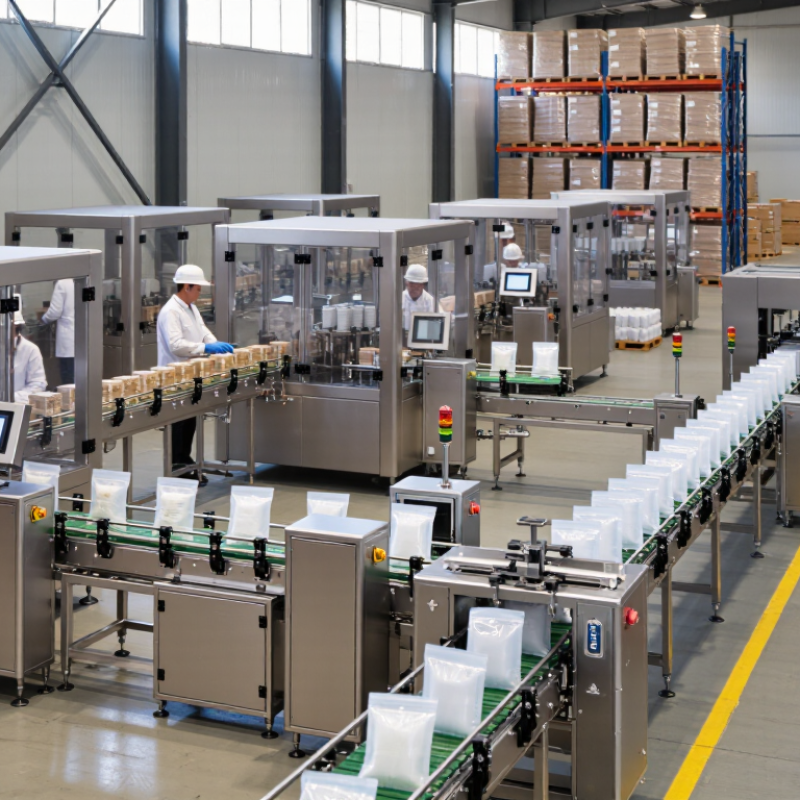
China Top 10 Pet Packaging Manufacturers for Global Buyers?

What Defines a Leading PET Packaging Manufacturer in China

China Top 10 Pet Packaging Manufacturers for Global Buyers?

A leading PET packaging manufacturer delivers more than clear bottles and neat cartons. It controls resin quality, preform weight, molding temperature, and wall thickness. Small variations can cause leakage, distortion, or poor shelf performance. Plastics Europe’s Plastics—The Fast Facts 2023 reports that packaging used 39.1% of European plastics demand in 2022. This makes process control commercially important, not cosmetic.

Ask for batch records, migration testing, dimensional reports, and documented quality procedures. A capable factory should explain its testing equipment and acceptance limits in plain language. It should also provide traceability from resin lot to finished shipment. The OECD’s Global Plastics Outlook estimates that only 9% of plastic waste was recycled worldwide in 2019. Therefore, leading suppliers should design for recyclability, reduce unnecessary material, and support recycled PET where regulations permit. Details matter.

Supply reliability is equally practical. Buyers should review mold maintenance, production capacity, inspection frequency, and backup plans for raw materials. Samples alone are not enough. I would request a pilot order before approving large volumes. Factory audits help, but they can still miss night-shift problems. No manufacturer is perfect. Transparent reporting is often more valuable than impressive showroom claims. A strong partner welcomes corrective actions, records complaints, and improves after each shipment.

Selection Criteria for Global PET Packaging Buyers

Global PET packaging buyers need more than a polished factory profile. They should examine material quality, production consistency, and compliance evidence. Ask for resin specifications, bottle weights, neck dimensions, and closure compatibility. A reliable manufacturer can provide recent test reports, batch records, and traceable production dates. Factory visits also reveal practical details, such as clean storage areas and calibrated inspection equipment.

Capacity must match your actual order pattern. A supplier producing millions of units may still struggle with smaller, customized batches. Check mold ownership, lead times, minimum order quantities, and backup production plans. Confirm whether recycled PET content is documented and suitable for your market. Regional packaging rules differ, so buyers should verify food-contact, labeling, and recycling requirements with qualified local professionals. No supplier is perfect. I have seen impressive samples fail during transport testing.

Tips: Request samples from at least three production batches. Test drop resistance, wall thickness, sealing performance, and appearance under real shipping conditions. Ask how complaints are logged and resolved. A clear corrective-action process matters more than confident sales language. Also review payment terms, inspection rights, and shipment documents before signing. Keep every specification in writing. Small omissions can become expensive problems.

China Top 10 Pet Packaging Manufacturers for Global Buyers? - Selection Criteria for Global PET Packaging Buyers
No. Selection Dimension Importance
1 Food-Contact Compliance PET packaging intended for food or beverages must comply with the destination market's food-contact rules. Common reference frameworks include FDA food-contact requirements in the United States and Regulation (EU) No. 10/2011 for plastic materials in the European Union. Required for food and beverage applications Request a current declaration of compliance, migration-test report, material specification, production-batch traceability, and confirmation that the tested structure matches the supplied packaging. Critical
2 PET Resin and Material Control PET packaging is identified by resin identification code 1. Virgin PET, recycled PET, additives, colorants, and barrier layers can affect clarity, strength, odor, recyclability, and regulatory status. Resin code: PET / 1 Verify resin grade, supplier documentation, intrinsic-viscosity data where relevant, additive disclosure, color tolerance, and incoming-material inspection procedures. Critical
3 Recycled PET Capability Recycled PET content may support recycled-content targets, but the acceptable percentage and documentation depend on the destination market, product type, and applicable food-contact rules. Recycled-content claims require reliable mass-balance or physical-traceability evidence. PCR content must be documented Confirm post-consumer recycled content, source documentation, chain-of-custody records, food-contact authorization where required, and the exact calculation method used for recycled-content claims. Critical
4 Manufacturing Process and Equipment Common PET production routes include injection molding of preforms followed by stretch blow molding, as well as direct extrusion or thermoforming for selected packaging formats. Process stability affects wall thickness, weight, neck finish, and dimensional accuracy. Process fit affects package performance Review equipment list, mold-maintenance records, process-control plans, cavity management, preventive-maintenance schedules, and production samples from the intended line. Critical
5 Quality Management System A documented quality system should control incoming materials, in-process inspection, final inspection, nonconforming products, corrective actions, and traceability. ISO 9001 certification can provide evidence of a formal quality-management framework. ISO 9001 is a quality-system standard Validate the certificate scope and expiry date, audit the quality manual, review inspection records, check complaint-handling procedures, and request recent corrective-action examples. Critical
6 Dimensional and Performance Testing Relevant tests may include capacity, weight, wall-thickness distribution, top-load resistance, burst or pressure resistance, leak testing, drop testing, environmental stress, and closure compatibility. The test method should match the end-use application. Testing must reflect actual use Request a product specification, test method, acceptance limits, equipment-calibration records, and samples tested with the buyer's intended closure, filling temperature, transport conditions, and storage period. Critical
7 Product Customization and Tooling Custom PET packaging may involve bottle geometry, preform design, neck finish, color, surface treatment, embossing, labeling area, and closure compatibility. Tooling design directly influences cycle time, material distribution, and package consistency. Tooling controls package repeatability Confirm design ownership, mold-life expectations, tooling charges, revision procedures, sample-approval stages, dimensional drawings, and responsibility for tooling storage and maintenance. High
8 Production Capacity and Supply Continuity Effective capacity depends on molding equipment, number of cavities, operating shifts, changeover time, resin availability, maintenance downtime, and quality-release procedures. Installed capacity alone does not guarantee available capacity. Available capacity differs from installed capacity Request monthly available capacity for the specific format, lead-time assumptions, peak-season planning, backup equipment, raw-material contingency plans, and historical on-time-delivery performance. Critical
9 Export Packaging and Logistics Empty PET bottles, preforms, jars, and containers are lightweight but volume-intensive. Packaging design should minimize deformation, contamination, moisture exposure where applicable, and unnecessary freight volume while protecting the product during international transport. Volume efficiency affects landed cost Check export-carton specifications, pallet pattern, container-loading plan, packaging cleanliness, moisture and dust protection, shipping marks, Incoterms, lead time, and damage-claim procedures. Critical
10 Sustainability and End-of-Life Design PET packaging is commonly recyclable where collection and recycling infrastructure exists. Recyclability can be influenced by material selection, color, labels, adhesives, closures, sleeves, additives, and package design. Lightweighting should not compromise required performance. Design choices affect recyclability Request material-composition data, recycled-content options, lightweighting studies, life-cycle or environmental data where available, recyclability guidance for the destination market, and a plan for reducing production waste. High
Buyer note: This matrix is designed for comparing anonymous PET packaging suppliers without relying on brand claims. Final supplier selection should be based on verified documents, production samples, factory audits, applicable regulations, and performance testing for the intended product and destination market.

Profiles of China’s Top 10 PET Packaging Manufacturers

China’s leading PET packaging manufacturers serve different purchasing needs, from beverage bottles to cosmetic jars. Their profiles should be judged by equipment, testing records, and delivery consistency.

One manufacturer focuses on high-speed preform production, using automated injection lines and moisture-controlled resin storage. Another specializes in lightweight water bottles, reducing material use while testing drop resistance. A third supplies wide-mouth jars for food applications, with clean production rooms and torque testing. One factory develops custom cosmetic containers, offering color matching and small trial batches. Another serves pharmaceutical packaging, maintaining stronger traceability and tighter dimensional controls. Small details matter.

A sixth manufacturer concentrates on recycled PET content and provides batch-based material documentation. Its sustainability claims still require independent verification. A seventh produces multilayer bottles for products needing better oxygen protection, but buyers should inspect recycling compatibility. An eighth operates several blow-molding lines for export orders and keeps common molds available. Its maintenance records may need closer review. A ninth combines bottle, cap, and label sourcing, simplifying procurement but increasing supplier concentration. The tenth offers flexible packaging development, including prototypes, sampling, and pilot production. Its engineering team may be capable, yet response speed can vary during peak seasons.

Reliable buyers should request recent inspection reports, sample measurements, migration test results, and written quality agreements. Factory photographs are useful, but they are not proof of current capacity. A video call helps. An on-site audit remains stronger.

Comparing Products, Certifications, Capacity, and Export Services

China Top 10 Pet Packaging Manufacturers for Global Buyers?

When comparing pet packaging manufacturers in China, product fit matters more than catalog size. Review bottles, jars, pouches, trays, and closures for wall thickness, sealing strength, and print accuracy. Ask for samples filled with your actual pet food or treats. A package may look excellent but fail after cold storage or transport vibration. Experienced suppliers should explain material choices, testing methods, and expected shelf performance.

Certifications need careful checking. Look for ISO 9001, food-contact compliance, and relevant environmental certificates. Request the certificate number, issuing body, validity date, and covered factory address. Certifications should match the product and production site. Capacity also requires evidence. Ask about monthly output, molding machines, printing lines, backup equipment, and peak-season lead times. A large stated capacity can be misleading without production records. I would also inspect quality-control points, from incoming resin to final carton inspection.

Tips: Request a small trial order first. Compare samples, test reports, carton strength, and delivery records. Confirm minimum order quantities, payment terms, export documents, pallet patterns, and customs support. Reliable export teams provide clear commercial invoices and packing lists. They should also communicate delays early. Still, no supplier is perfect. Buyers should keep a second source, because unexpected tooling repairs or material shortages can affect schedules.

How Global Buyers Can Select and Purchase from the Top 10 Manufacturers

Global buyers should evaluate Chinese pet packaging manufacturers through evidence, not attractive catalogs. Request product samples, material specifications, factory photos, and recent quality records. Check whether the packaging suits dry food, wet food, treats, or supplements. Each application needs different barrier performance, sealing strength, and printing durability.

Ask for test data on oxygen resistance, moisture protection, seal integrity, and odor transfer. Confirm food-contact compliance for your target market. A reliable manufacturer should explain production controls clearly. Review minimum order quantities, mold fees, lead times, payment terms, and shipping responsibilities. A video audit can reveal storage conditions, cleaning practices, and labeling accuracy. However, remote inspections are not perfect. Independent testing may still be necessary.

Tips: Compare at least three suppliers using the same specification sheet. Order a pilot batch before committing to large volumes. Inspect pouch thickness, zipper alignment, color accuracy, and carton strength. Keep approved samples for future comparison. Clarify who pays for defects, retesting, or replacement shipments. Communication deserves careful testing too. Send one detailed purchase brief and check how accurately each supplier responds. Slow replies may signal capacity problems, although busy factories are not automatically unreliable. Record every change in writing, including artwork approval and delivery dates. Small details matter.

FAQS

What defines a leading PET packaging manufacturer?

It controls resin quality, preform weight, molding temperature, and wall thickness. These controls reduce leakage, distortion, and weak shelf performance. Details matter.

Which quality documents should buyers request?

Request batch records, migration test results, dimensional reports, and written quality procedures. The supplier should trace resin lots to finished shipments. Samples alone are not enough.

How can buyers evaluate production consistency?

Request samples from at least three production batches. Test bottle weight, wall thickness, sealing, appearance, and drop resistance under realistic shipping conditions. One perfect sample proves little.

What production details affect supplier reliability?

Review mold maintenance, production capacity, inspection frequency, and raw-material backup plans. Confirm lead times, minimum order quantities, and mold ownership before approval. Night-shift problems can remain hidden.

How should buyers assess recycled PET claims?

Ask for batch-based recycled material records and supporting test documents. Recycled content should suit the target market’s packaging requirements. Claims need verification.

Can a large factory handle customized or small orders?

Not always. A factory producing millions of units may struggle with smaller customized batches. Confirm trial-batch options, tooling availability, response times, and pilot production support.

What should buyers inspect during a factory visit?

Look for clean resin storage, calibrated inspection equipment, organized production areas, and current maintenance records. A video call helps, but an on-site audit provides stronger evidence. Photos are not proof.

How can buyers reduce problems after shipment?

Put every specification, inspection right, payment term, and shipment document in writing. Ask how complaints are logged, investigated, and corrected. I would approve large volumes only after a pilot order.

Conclusion

China has become an important sourcing destination for Pet Packaging, offering a broad range of solutions for food, beverage, personal care, household, and other everyday products. A leading manufacturer is defined not only by product quality, but also by reliable material selection, modern production technology, consistent capacity, strict quality control, and responsive customer service. For global buyers, key selection criteria include product specifications, customization capability, safety compliance, testing procedures, production lead times, minimum order quantities, and export experience.

This overview introduces ten representative types of Chinese Pet Packaging manufacturers and compares their product ranges, certifications, manufacturing capacity, quality systems, and international logistics services. It also explains how buyers can evaluate suppliers through samples, factory assessments, documentation reviews, price comparisons, and communication efficiency. By establishing clear technical requirements and confirming compliance with destination-market regulations, global purchasers can select dependable partners, reduce supply risks, and build a more stable and efficient packaging procurement process.

Oliver

Oliver

Oliver is a seasoned marketing professional with a wealth of expertise in driving brand awareness and engagement. With a deep understanding of our company's product offerings, he consistently delivers high-quality content that enriches our professional blog. His insights not only shed light on......